

Empower Your Health: Essential Nutrients for Women
Understanding the unique nutritional needs of women across all life stages. From hormonal balance to bone health, discover the vitamins and minerals that fuel your vitality and wellness.
At Radiant Healthy Habits, we believe that knowledge is the foundation of lasting health. Our editorial resources guide you through the science of women's nutrition with clarity and compassion.
The information on this site is for educational purposes only and does not constitute medical advice. Always consult a qualified healthcare professional before making health decisions.
Key Vitamins & Minerals for Women
Women's bodies have distinct nutritional requirements at every stage of life. Here are the essential nutrients that support your health, energy, and wellbeing.
Iron for Energy & Vitality
Iron is essential for oxygen transport in the blood. Women of reproductive age need more iron than men due to menstrual losses. Red meat, beans, leafy greens, and fortified cereals are excellent sources.
Symptoms of low iron include fatigue, weakness, and difficulty concentrating. Regular consumption of iron-rich foods supports sustained energy throughout your day.
Calcium & Vitamin D for Bone Health
Women face higher risk of osteoporosis, especially after menopause when estrogen levels drop. Calcium and vitamin D work together to maintain bone density and strength. Dairy products, fortified plant-based alternatives, fatty fish, and sunlight exposure are key sources.
Building strong bones early in life creates a protective reserve as you age, reducing fragility and supporting mobility and independence.
Folate & B Vitamins for Metabolism
B vitamins, especially folate (vitamin B9), are vital for cell division, energy production, and mood regulation. Women planning pregnancy need adequate folate. Leafy greens, legumes, whole grains, and eggs are rich sources.
B vitamins support nervous system function and help convert food into energy, keeping you mentally sharp and physically resilient.
Omega-3 Fatty Acids for Heart & Brain
Omega-3 fatty acids reduce inflammation and support cardiovascular and cognitive health. Women often have higher rates of heart disease after menopause. Fatty fish, walnuts, flaxseeds, and chia seeds are excellent sources.
Regular omega-3 intake supports brain function, emotional wellbeing, and cardiovascular resilience as you navigate different life stages.
Magnesium for Stress & Sleep
Magnesium regulates over 300 enzyme reactions in your body, including muscle relaxation and stress response. Many women have inadequate intake due to processed food diets. Nuts, seeds, dark leafy greens, and whole grains are rich sources.
Adequate magnesium promotes restful sleep, reduces muscle tension, and helps manage stress during demanding life phases.
Zinc & Selenium for Immunity
Zinc supports immune function, wound healing, and protein synthesis. Selenium acts as an antioxidant and supports thyroid function. Shellfish, lean meats, seeds, and whole grains provide these essential minerals.
Strong immunity helps you stay well during stressful periods and supports skin, hair, and overall resilience throughout your life.
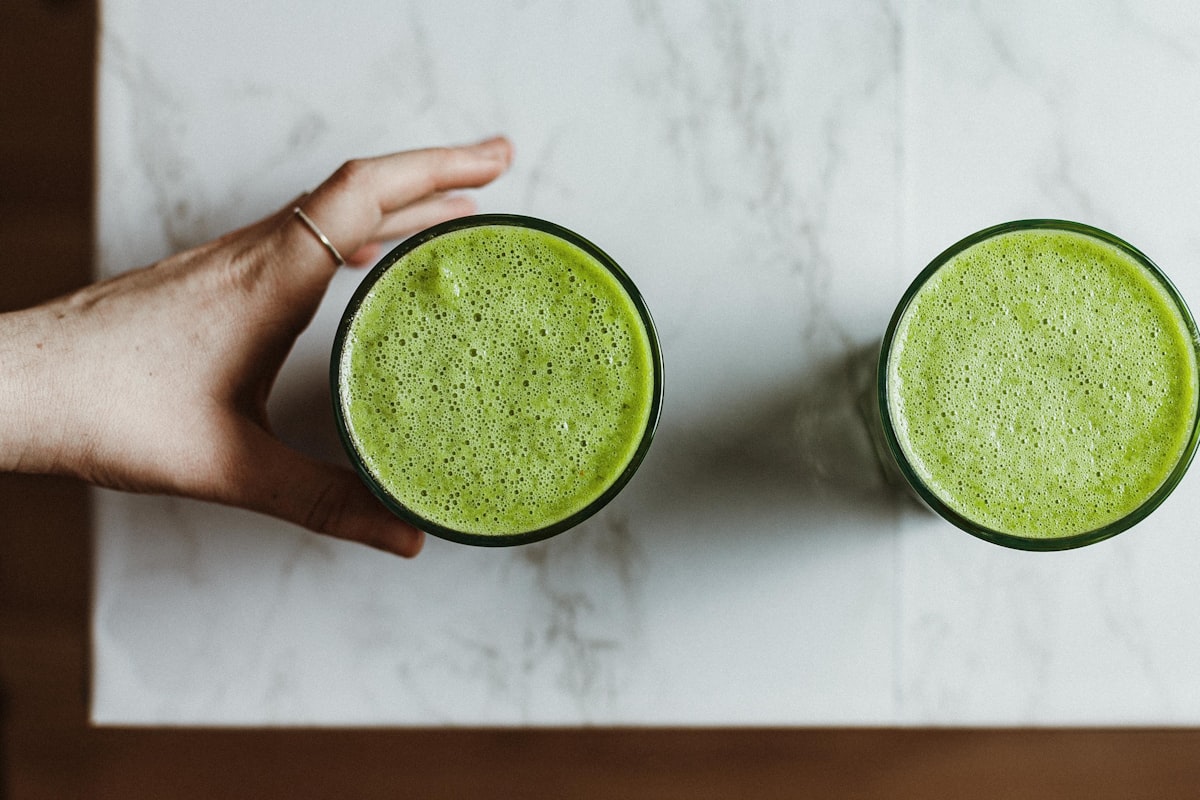
Why Women's Nutritional Needs Differ
Women's nutritional requirements shift across different life stages, influenced by hormonal fluctuations, metabolic differences, and unique health priorities. Understanding these differences empowers you to make informed choices about your diet and wellbeing.
Hormonal Shifts Affect Nutrient Absorption
Estrogen and progesterone fluctuations throughout your menstrual cycle, pregnancy, and menopause influence how your body absorbs and utilizes nutrients. During menstrual years, iron needs are higher due to monthly losses.
Metabolism Responds to Life Stages
From puberty through menopause, your metabolic rate changes, affecting caloric needs and nutrient demands. Menopause brings a natural metabolic slowdown, making nutrient density especially important to maintain bone health and energy.
Reproductive Health Shapes Requirements
Women of childbearing age need higher folate intake to support potential pregnancy. Pregnant and breastfeeding women have substantially increased caloric and nutrient needs to support both their health and their growing baby.
Body Composition & Muscle Mass Differences
Women typically have lower muscle mass than men, affecting protein and caloric requirements. Strategic protein intake supports muscle maintenance, especially important as you age to prevent muscle loss and maintain functional strength.
Nutrition Across Women's Life Stages
Each phase of a woman's life brings unique nutritional priorities. Here's how to support your body through different seasons of health.
Teen Years & Early Adulthood
During adolescence, rapid growth and bone development require adequate calcium, vitamin D, iron, and protein. Establishing healthy eating patterns now builds the foundation for lifelong wellness. Focus on nutrient-dense foods including dairy or fortified alternatives, colorful vegetables, lean proteins, and whole grains.
Key priorities: Bone building, energy for activity, iron for menstrual needs, establishing healthy food relationships.
Reproductive Years & Potential Pregnancy
Women planning pregnancy or in their childbearing years benefit from consistent folate intake to support cell division and prevent neural tube defects. Iron remains essential due to menstrual losses. Maintain a balanced diet rich in colorful produce, legumes, seafood, eggs, and whole grains.
Key priorities: Adequate folate, iron, healthy weight management, consistent caloric intake, stress resilience through nutrition.
Perimenopause & Menopause
Hormonal shifts during menopause increase bone loss risk and affect metabolism. Calcium and vitamin D become especially important to slow bone loss. Omega-3 fatty acids support mood and cardiovascular health. Magnesium may ease sleep disruption. Focus on nutrient-dense foods and strength-supporting protein intake.
Key priorities: Bone density protection, heart health support, metabolic adjustment, mood stabilization, quality sleep.
Post-Menopause & Active Aging
As metabolism naturally slows, nutrient density becomes even more critical since overall caloric intake typically decreases. Bone health, muscle maintenance, and heart health remain top priorities. Adequate protein supports muscle preservation, while antioxidant-rich foods combat age-related cellular changes.
Key priorities: Muscle maintenance through protein, bone health, cardiovascular protection, cognitive function support, chronic disease prevention.
Nutrient-Rich Foods Showcase
Discover whole foods rich in the essential vitamins and minerals that support women's health. These nutrient powerhouses belong in your regular rotation.

Leafy Greens
Spinach, kale, and Swiss chard are nutritional powerhouses. They provide iron, folate, calcium, magnesium, and vitamins K and C. Easy to add to salads, smoothies, soups, and sautés.
Key nutrients: Iron, folate, calcium, magnesium, vitamin K

Fatty Fish
Salmon, sardines, and mackerel deliver omega-3 fatty acids, vitamin D, selenium, and high-quality protein. Aim for 2-3 servings weekly to support heart and brain health.
Key nutrients: Omega-3s, vitamin D, selenium, protein
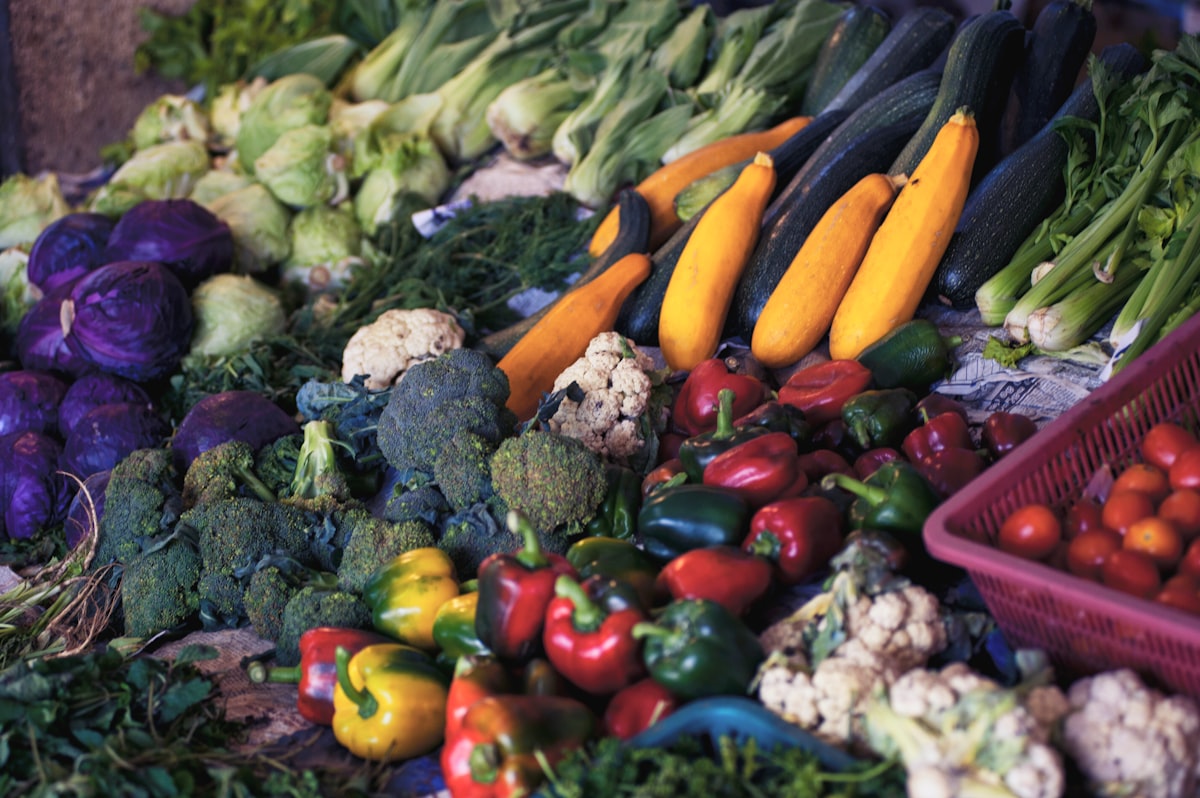
Legumes & Beans
Lentils, chickpeas, and beans are plant-based protein sources rich in folate, iron, magnesium, and fiber. Versatile in soups, salads, hummus, and grain bowls.
Key nutrients: Protein, folate, iron, magnesium, fiber
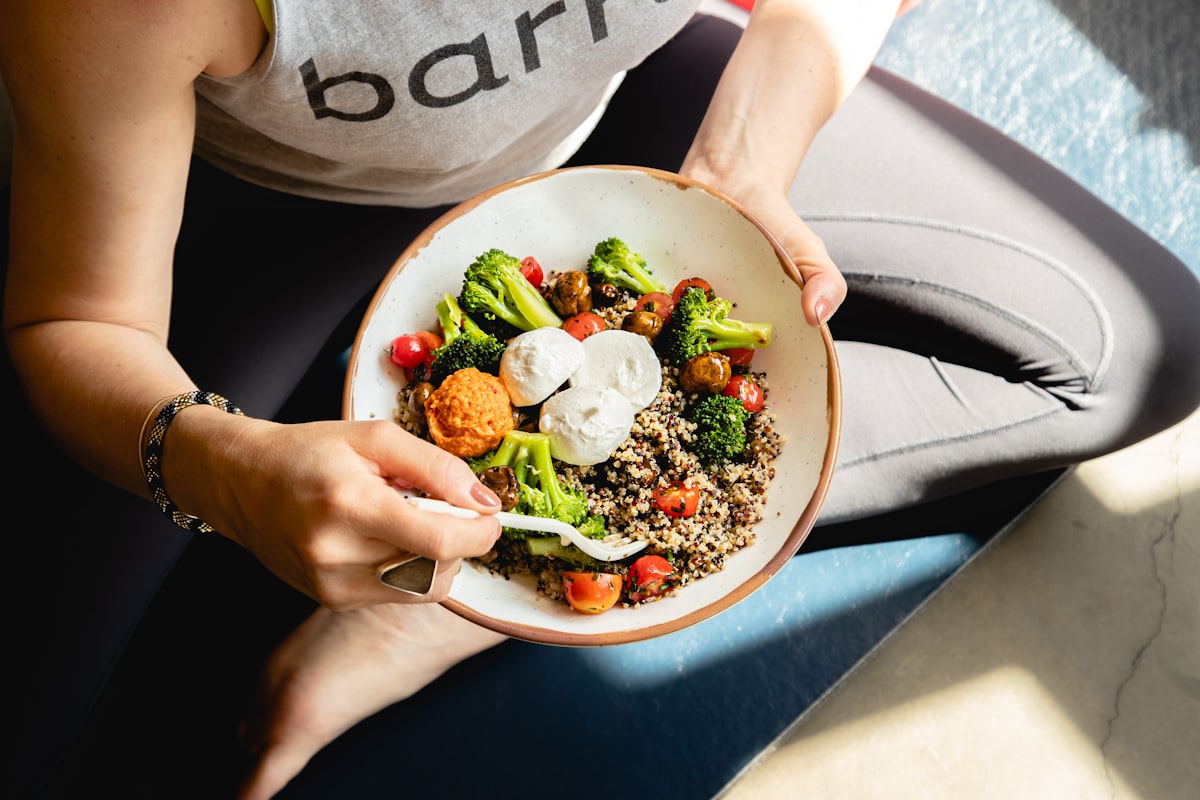
Nuts & Seeds
Almonds, walnuts, flaxseeds, and chia seeds offer healthy fats, magnesium, zinc, and selenium. Perfect as snacks, toppings, or ground into butters.
Key nutrients: Omega-3s, magnesium, zinc, healthy fats

Dairy & Fortified Alternatives
Yogurt, cheese, milk, and fortified plant-based options provide calcium, vitamin D, and protein. Choose varieties with minimal added sugar for optimal nutrition.
Key nutrients: Calcium, vitamin D, protein, probiotics

Berries & Colorful Produce
Blueberries, strawberries, and colorful vegetables provide antioxidants, vitamin C, and phytonutrients. Fresh or frozen both offer excellent nutrition and support inflammation management.
Key nutrients: Antioxidants, vitamin C, fiber, phytonutrients
Real Stories: Women's Health Transformation Through Nutrition
Hear from our community about how prioritizing nutrition has positively impacted their lives and wellbeing.
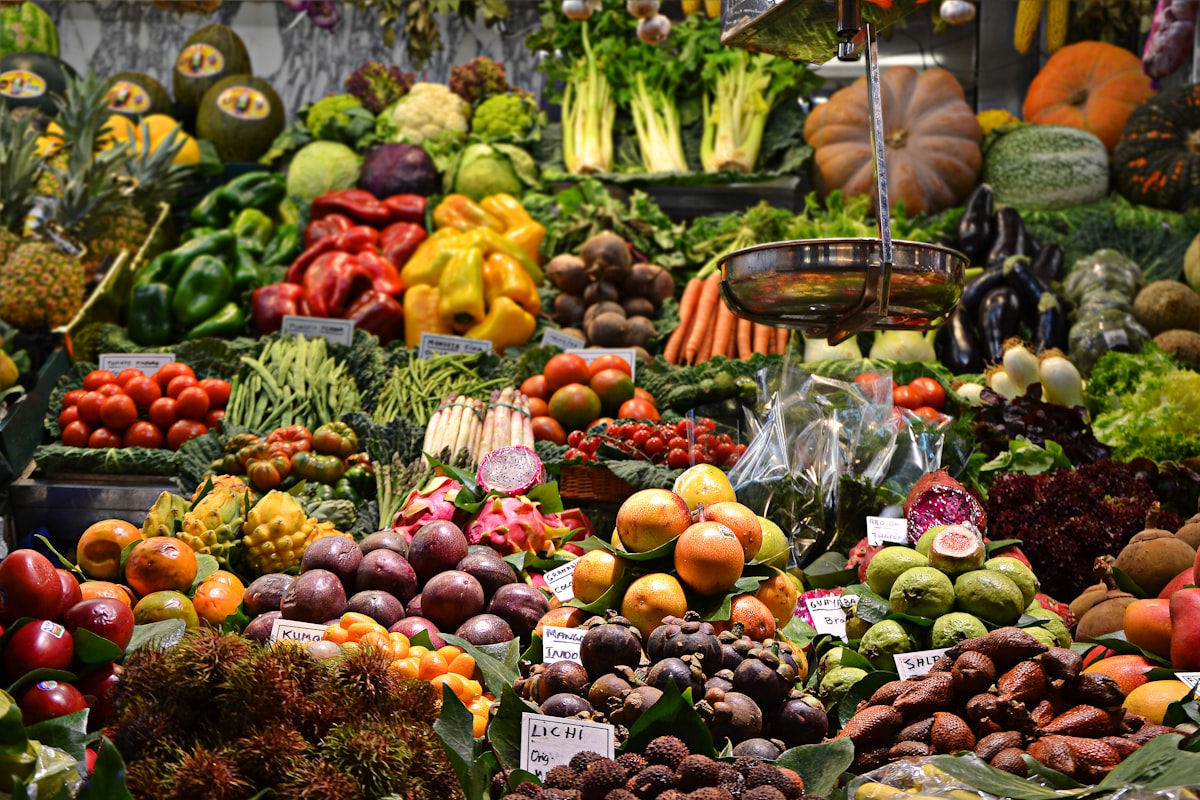
"After reading your articles about iron-rich foods for women, I finally understood why I was so fatigued. I adjusted my diet to include more leafy greens and legumes, and within weeks, my energy completely transformed. I'm sleeping better, exercising more, and feel like myself again. Thank you for making nutrition education so accessible and practical."
Sarah K.
Munich, Germany
"I'm in perimenopause and was struggling with bone health concerns. Your guide on calcium, vitamin D, and strength-building nutrition gave me such clarity. I've restructured my meals to prioritize these nutrients, and I feel more confident about my health moving forward. The information is science-based but written so clearly."
Petra M.
Berlin, Germany
"As someone who's always tired and fuzzy-headed, I found your breakdown of B vitamins and magnesium incredibly helpful. I started incorporating more whole grains, seeds, and fish into my diet, and the difference in my mental clarity and mood is remarkable. This is real nutrition education that actually makes sense."
Anna L.
Frankfurt, Germany
Common Questions About Women's Nutrition
We answer your most frequently asked questions about nutrition for women's health and wellbeing.
Women aged 19-50 need 18 mg of iron per day, while women over 50 need 8 mg daily (the same as men). Vegetarian and vegan women may need up to 1.8 times more iron because plant-based iron (non-heme iron) is less easily absorbed than iron from meat. Consuming vitamin C-rich foods alongside plant-based iron sources enhances absorption. During pregnancy, iron needs increase significantly to 27 mg daily.
If you're concerned about iron adequacy, consider consulting with a nutrition professional who can assess your individual needs based on your diet and any relevant health factors.